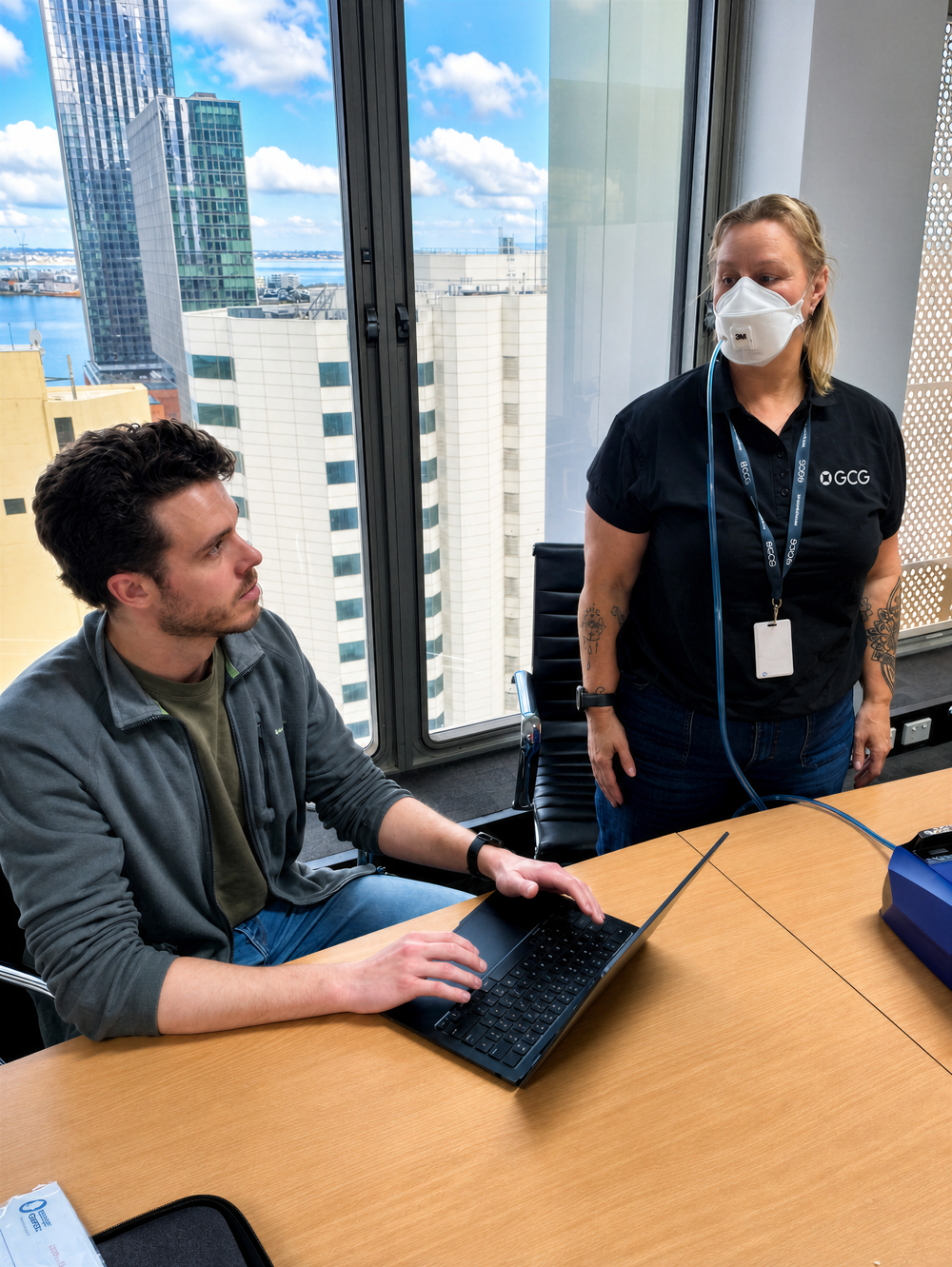
With the recent release of Exposi Fit, a new system designed to simplify fit testing management, we’re taking a closer look at the challenges of managing fit testing programs and why many organisations eventually outgrow spreadsheets.
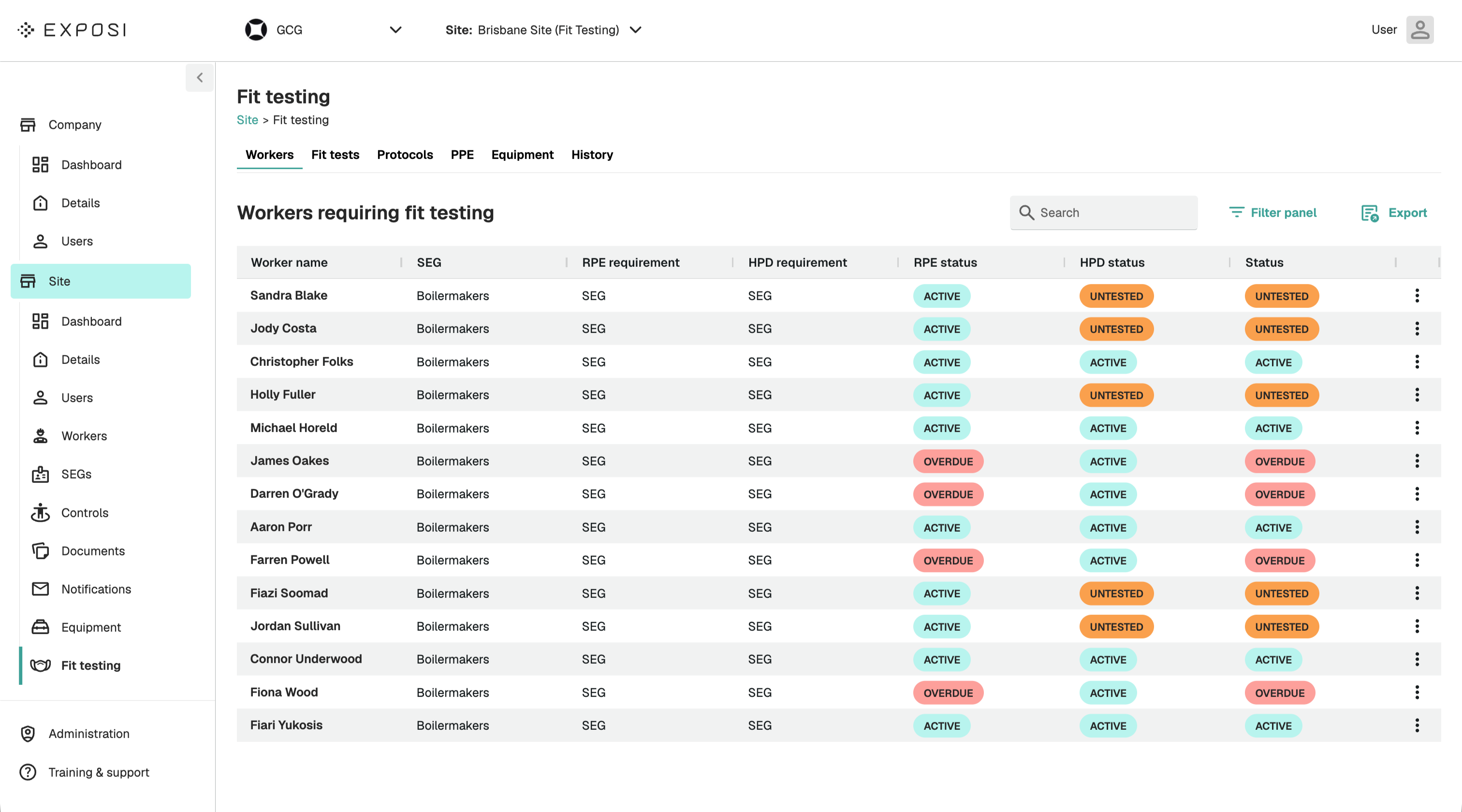
In any fit testing program, the fit tests themselves are only part of the picture. The challenge is often managing everything around them – maintaining records, tracking retesting requirements, managing multiple sites, keeping worker information up to date, and making sure the right information is available when needed.
For many organisations, this information ends up dispersed across spreadsheets, reports, emails and filing systems. As programs grow, managing fit testing across multiple workers, sites and testing schedules can quickly become an administrative challenge. Spreadsheets can record fit testing information, but they were never designed to actively manage an ongoing fit testing program.
As fit testing programs grow, organisations often find that improving how the program is managed becomes just as important as the fit testing itself.
Managing a program, not just conducting fit tests
Fit testing is rarely a once-a-year exercise carried out across an entire workforce. It occurs as new workers commence, workers move between roles, contractors are engaged, different respiratory and hearing protection devices are introduced, and scheduled retesting becomes due - which arrives at different times throughout the year. Records also need to remain accurate and up to date as workers leave the organisation or projects finish.
When administration becomes the challenge
As fit testing programs grow, so does the amount of information that needs to be managed. Records need to be maintained, retesting requirements tracked, worker and contractor information kept current, and reporting made available when required.
Spreadsheets are useful for recording information, but managing a fit testing program requires more than simply storing records. The challenge is not collecting fit testing data. The challenge is efficiently managing that information over time and maintaining confidence that it is complete, current and readily available when needed.
Common challenges include:
- Manually tracking upcoming retesting requirements.
- Records stored across multiple locations.
- Limited visibility across sites, projects or business units.
- Inconsistent data entry over time.
- Reliance on key individuals to maintain and interpret records.
- Multiple versions of the same spreadsheet.
These challenges are not unique to fit testing. They are a common outcome whenever an ongoing program is managed using tools that were designed primarily to record information rather than actively manage it.
The result is often increased administration, more manual checking and less confidence that the information being relied upon is complete and current.
A better way to manage fit testing
For many organisations, there comes a point where spreadsheets and disconnected records are no longer the most effective way to manage an ongoing fit testing program.
A dedicated fit testing management system can help by bringing records, reminders, reporting and worker histories together in one place. Rather than relying on manual processes, organisations can maintain a complete fit testing history for each worker while reducing administration and improving visibility across the program.
Teams can quickly identify workers due for retesting, review historical results, understand individual fit outcomes and view the current status of fit testing across sites and workgroups.
Information is available when it is needed, rather than requiring someone to search through spreadsheets, reports and folders or manually consolidate records from multiple sources.
Beyond record keeping
The information collected through a fit testing program can also support broader decision-making.
Over time, organisations can build a clearer understanding of:
- Which respiratory or hearing protection devices achieve the best fit outcomes across the workforce.
- Where upcoming testing demand is likely to occur.
- Workforce readiness for specific tasks or projects.
- Trends that may influence respiratory or hearing protection programs.
When managed effectively, fit testing data becomes more than a collection of records. It becomes a useful source of information that can support planning, procurement and program management.
Better program management
The challenge is not collecting fit testing data. The challenge is efficiently managing that information over time.
As fit testing programs grow, spreadsheets and disconnected records can make it increasingly difficult to maintain visibility, track requirements and keep information current.
Recognising these challenges, we developed Exposi Fit to help organisations better manage their fit testing programs. Rather than simply recording fit test results, Exposi Fit brings respiratory and hearing fit testing, complete worker histories, configurable reminders, reporting and dashboards together in one fit testing management system.
If you’d like a closer look at Exposi Fit, or would like to discuss how it could support your organisation’s fit testing program, get in contact. Call us on 1300 397 647 or email us at Info@exposi.com.